Image inspiration
Create your own images with prompts now trending in social.
How to read these examples
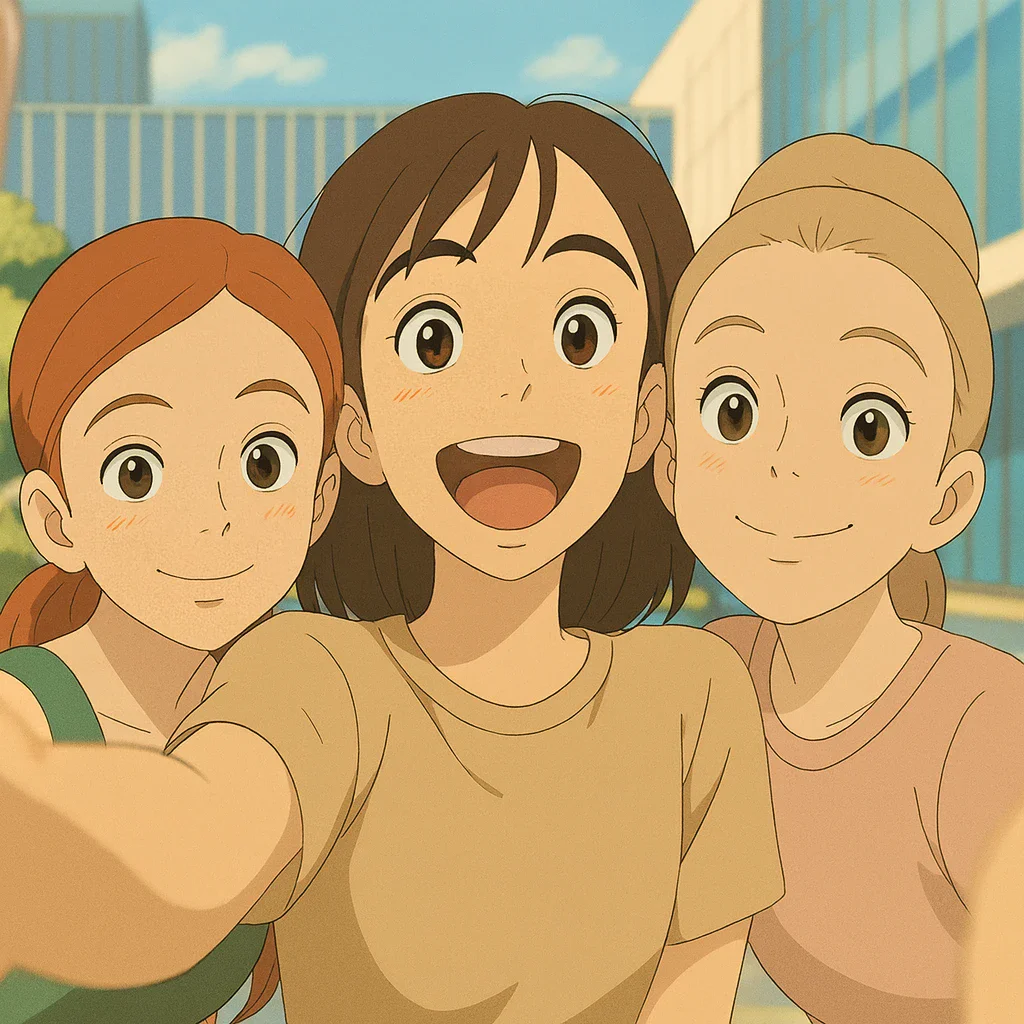
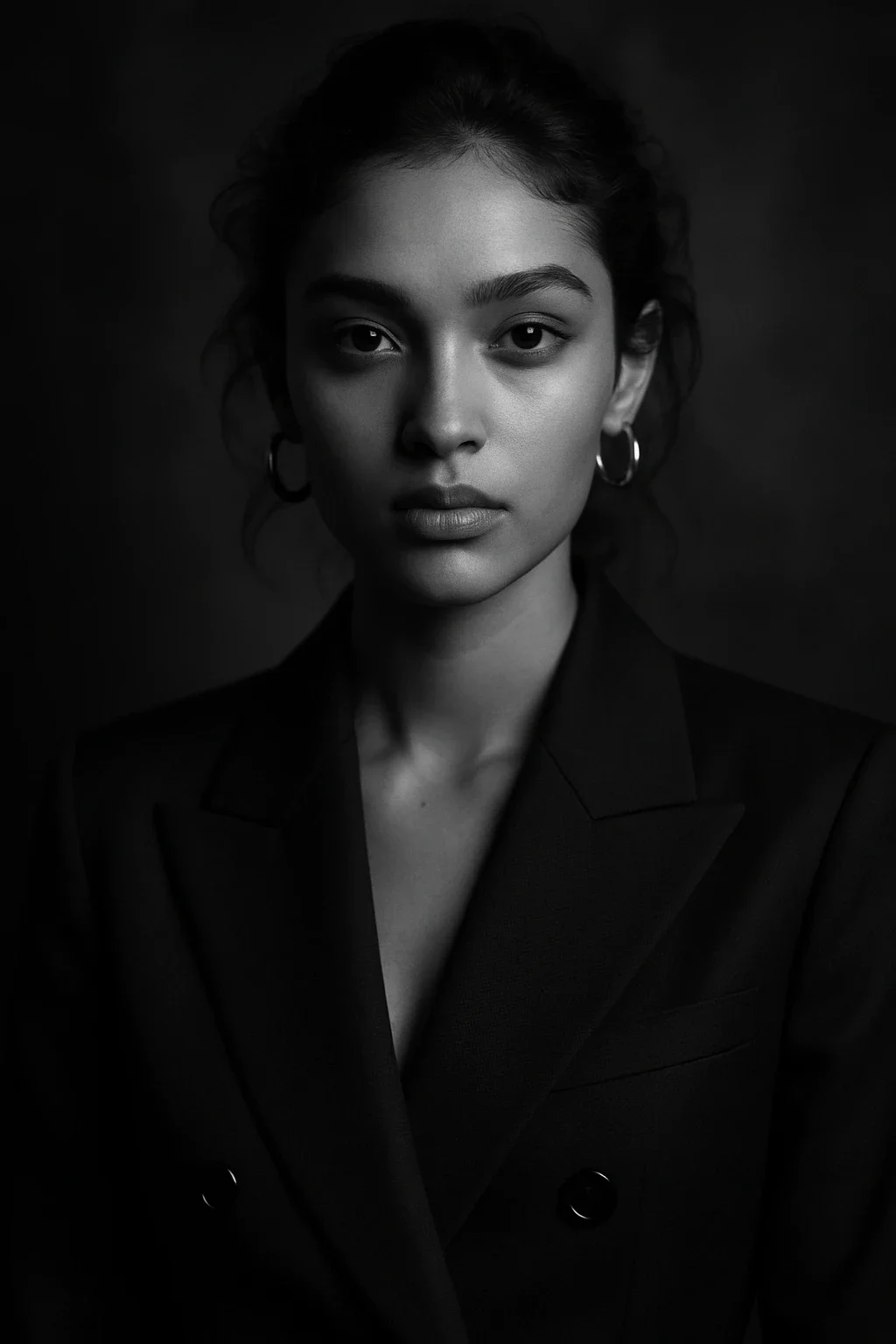
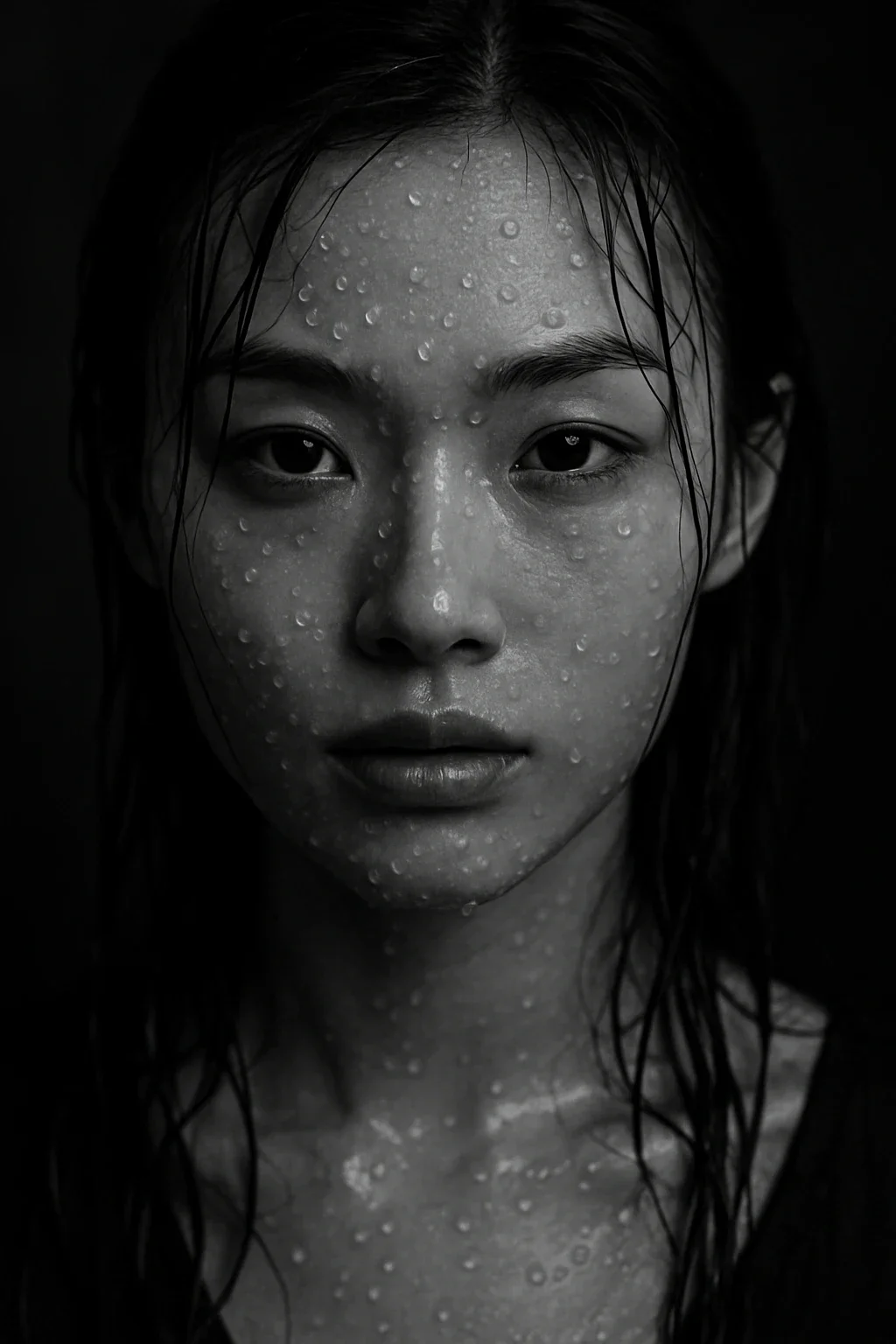
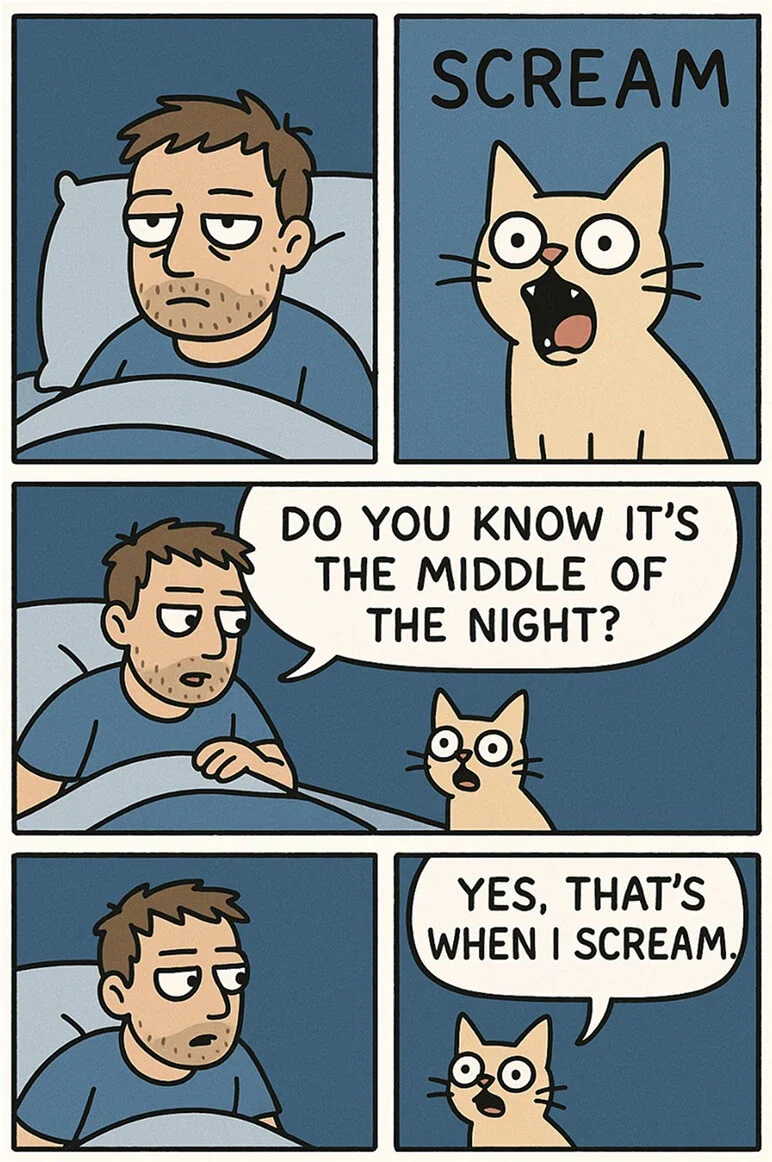
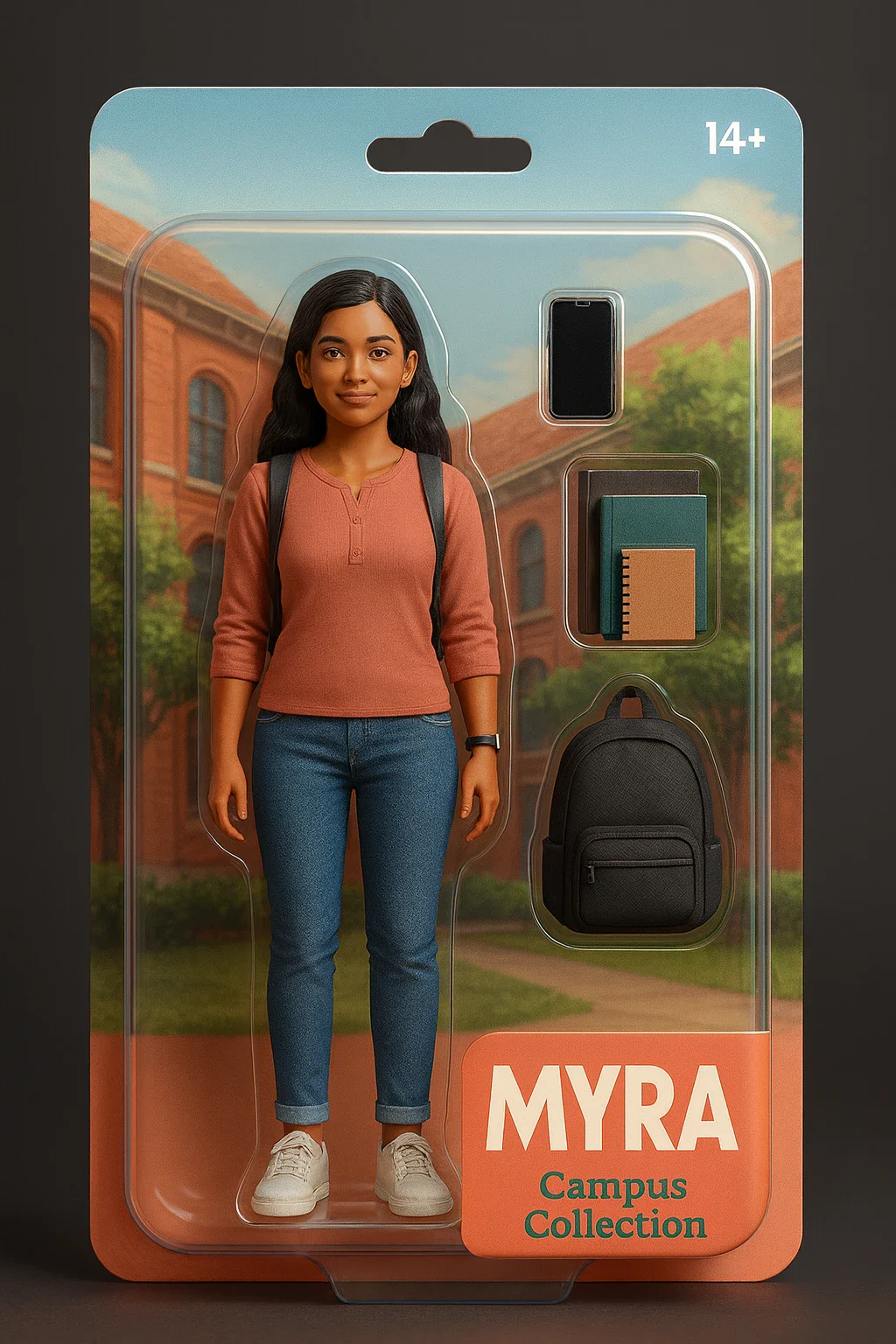
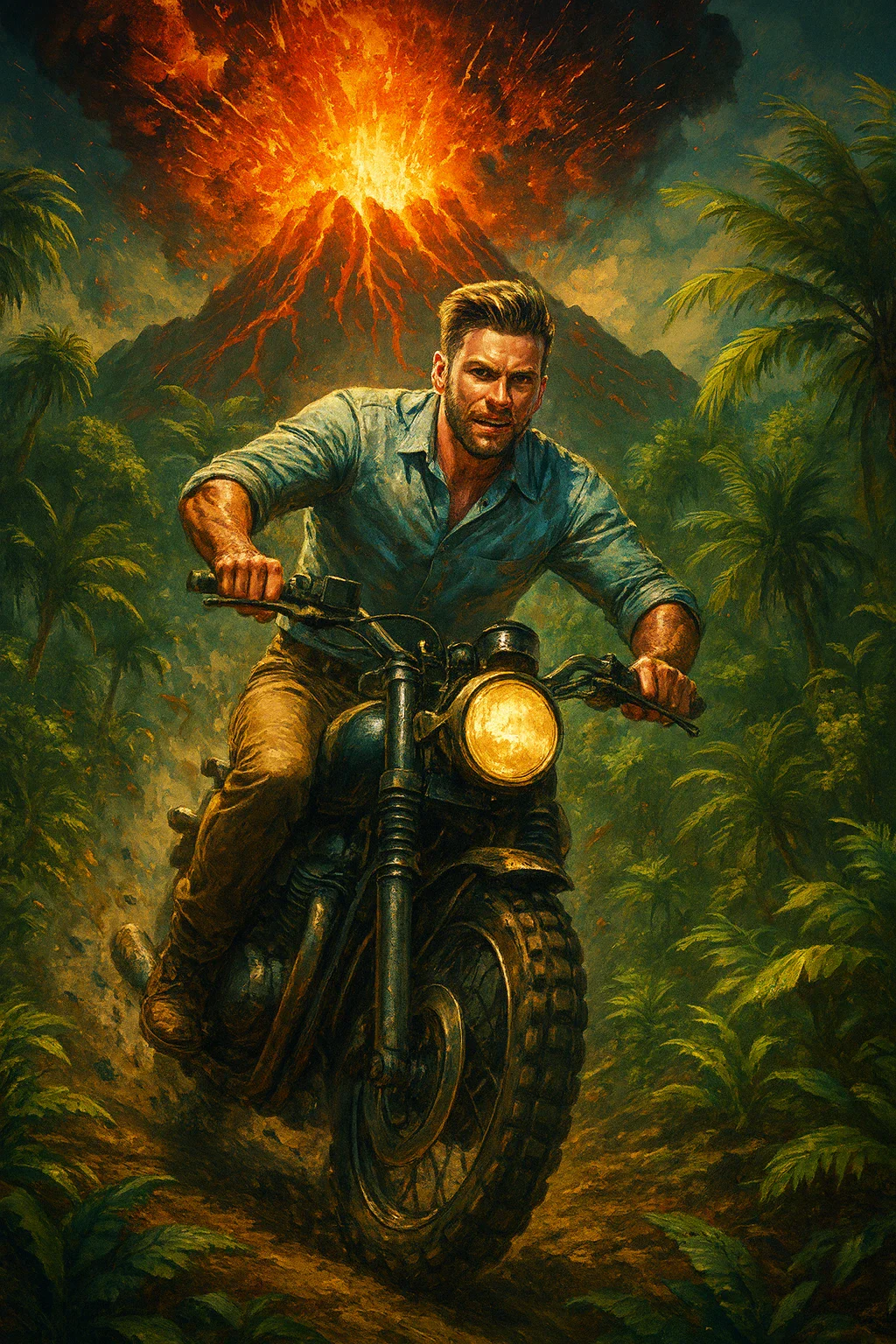
Every image above is paired with the exact prompt that produced it. Read the prompt before the picture: the useful part is not the subject but the structure around it — the medium named up front, the lighting and lens described in concrete terms, the composition pinned down, and the style anchored to something specific rather than an adjective like “beautiful”. Swap the subject and keep the scaffolding, and you keep most of the quality.
What actually moves the output
Four things do most of the work. Medium — is this a photograph, an oil painting, a 3D render, a vector illustration? Light — direction, hardness, colour temperature, time of day. Camera or framing — lens length, distance, angle, depth of field. Constraint — the thing that must be true, such as a colour that has to appear or text that has to be legible. Adding more adjectives rarely helps; replacing a vague one with a concrete detail almost always does.
Iterating instead of rerolling
When an image is close but wrong, change one variable and generate again rather than rewriting the whole prompt. Rerolling the same prompt gives you a different random draw; changing one term tells you what that term controls. Models also differ here — a prompt that renders cleanly on one image model can need a firmer hand on another, so it is worth running a favourite prompt through two or three before deciding which to keep for a given style.